Why compliance for historic buildings demands a different approach
For conservation professionals, historic building compliance means more than just passing an inspection. It is the careful integration of modern electrical and life safety systems into fragile, irreplaceable fabric, so that visitors, staff and collections are protected without erasing the very character that makes the site worth saving.
Across Hampshire, many castles, fortifications and churches are now welcoming more visitors, longer opening hours and more intensive use of space. That increase in footfall brings higher electrical loading, more temporary events cabling and greater fire risk. At the same time, these buildings were never designed for containment, compartmentation or heavy‑duty wiring.
Industry data suggests that around 7 in 10 fires in heritage buildings stem from preventable causes such as electrical faults, hot works or careless use of equipment. For custodians, the question is no longer whether to upgrade, but how to do it in a way that satisfies regulators and insurers without compromising listing conditions or visual integrity.
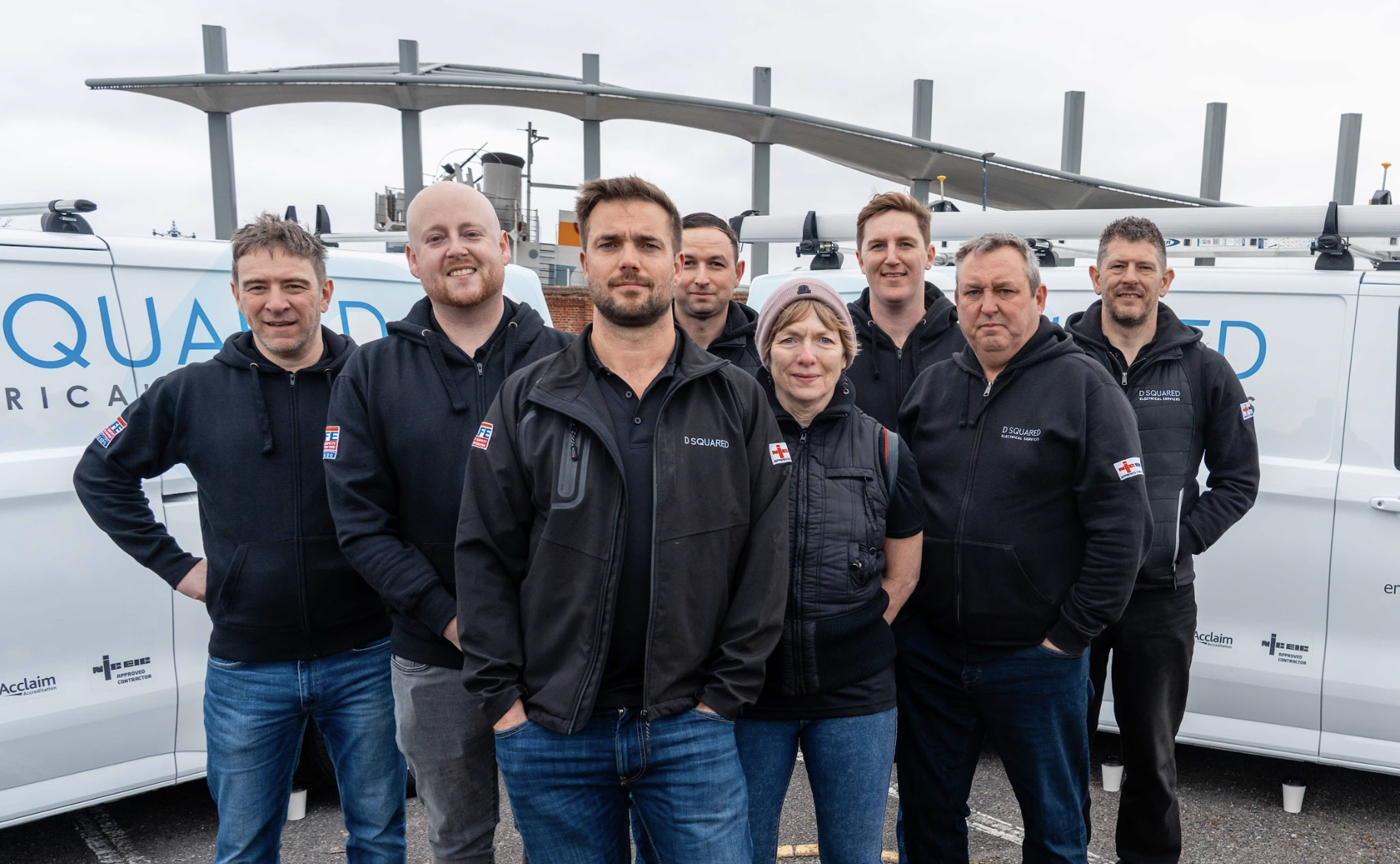
D Squared’s work on sites such as Southsea Castle, Portchester Castle and a range of parish churches across Hampshire has been shaped by that tension. Each project starts with a conservation‑led brief, then works backwards to the technical design, ensuring that safety, compliance and heritage significance are held in balance from day one.
Case study: Southsea Castle’s discreet life safety upgrade
Southsea Castle, founded by Henry VIII in 1544 and exposed to the harsh Solent environment, presents a demanding test for any electrical or fire safety system. Thick stone walls, damp conditions and complex circulation routes make access difficult, while the Scheduled Monument and listed status limit what can be fixed, chased or surface‑mounted.
The scope of D Squared’s work at Southsea Castle focused on modernising life safety systems so the site could safely host events, exhibitions and public access, while maintaining a largely unchanged visual appearance. This included new power distribution in key areas, emergency lighting, and fire alarm and detection upgrades integrated with existing infrastructure.
Routing of containment and cabling was planned in close consultation with conservation officers. Fixings were limited to mortar joints wherever possible, bracketry was colour‑matched to stone, and equipment was located in recesses, parapets and secondary spaces to keep lines of sight and historic viewpoints clear.
Solving common retrofit challenges in castles, churches and halls
Many of the technical issues seen at Southsea Castle are mirrored in other Hampshire sites, from Portchester Castle’s extensive curtain walls to Victorian and medieval churches in coastal parishes. Each setting has quirks, but certain retrofit challenges are consistent across heritage estates.
The first is limited void space. Unlike modern structures, these buildings rarely offer accessible ceiling voids or service risers. D Squared addresses this by combining surface containment in sympathetic finishes with wireless or radio‑linked devices where appropriate, reducing the extent of intrusive works.
The second is mixed‑age wiring and undocumented alterations. It is common to find several generations of cabling and consumer units co‑existing. Detailed Electrical Installation Condition Reports (EICRs) are used to map the existing network, identify dangerous or non‑compliant circuits and prioritise phased replacement that aligns with budget and access windows.
Third, many churches and halls have extended use patterns—community groups, concerts, weddings—without matching upgrades to emergency lighting or fire alarm coverage. By modelling occupancy and escape routes, D Squared can demonstrate how revised detector locations, sounder placement and illuminated signage improve evacuation times while remaining as unobtrusive as possible within listed interiors.
Meeting regulations and insurer demands without harming aesthetics
Historic buildings must meet the same core legal duties as any other premises, but applying those duties sensitively is the real test. Responsible Persons under the Regulatory Reform (Fire Safety) Order and duty‑holders under electricity at work regulations often need help translating guidance into heritage‑appropriate solutions.
D Squared’s approach begins with the fire risk assessment and an honest appraisal of existing electrical resilience. From there, engineers develop options that satisfy Building Regulations, BS 7671 and relevant fire alarm and emergency lighting standards, then cross‑check those options against listing constraints, faculty requirements for churches and local conservation policies.
For insurers, demonstrable risk reduction is key. Upgrading old distribution boards to modern devices with AFDD and RCBO protection, rationalising ad‑hoc additions, and ensuring regular testing schedules are all persuasive evidence. Just as importantly, detailed documentation—circuit schedules, as‑installed drawings and maintenance plans—reassures underwriters that improvements are structured, not piecemeal.
Aesthetics are protected through decisions such as using period‑appropriate finishes, choosing compact or concealed devices and coordinating with lighting designers so emergency fittings complement, rather than fight, the heritage lighting scheme. Previous projects at churches and civic venues in Portsmouth have shown that carefully‑chosen luminaires can actually enhance architectural features while delivering compliant escape lighting.
Why third‑party accreditation matters for heritage projects
For conservation teams, selecting the right contractor is often more critical than selecting any individual product. Heritage work carries little margin for error: a poorly‑placed fixing or inappropriate cable run can cause irreversible damage to stonework, panelling or decorative plaster.
This is where independent accreditation provides reassurance. D Squared’s NICEIC Approved Contractor status demonstrates robust competence in designing, installing and testing electrical systems to current standards, including complex commercial and public buildings. It also means periodic audits and technical assessments, which are particularly valuable when installations must be both innovative and fully compliant.
On the fire side, BAFE accreditation confirms that the company’s fire detection, alarm and related services follow recognised industry schemes, with documented design calculations, commissioning procedures and maintenance regimes. For duty‑holders and their insurers, this evidences that life safety systems have been delivered by a provider subject to rigorous third‑party scrutiny.
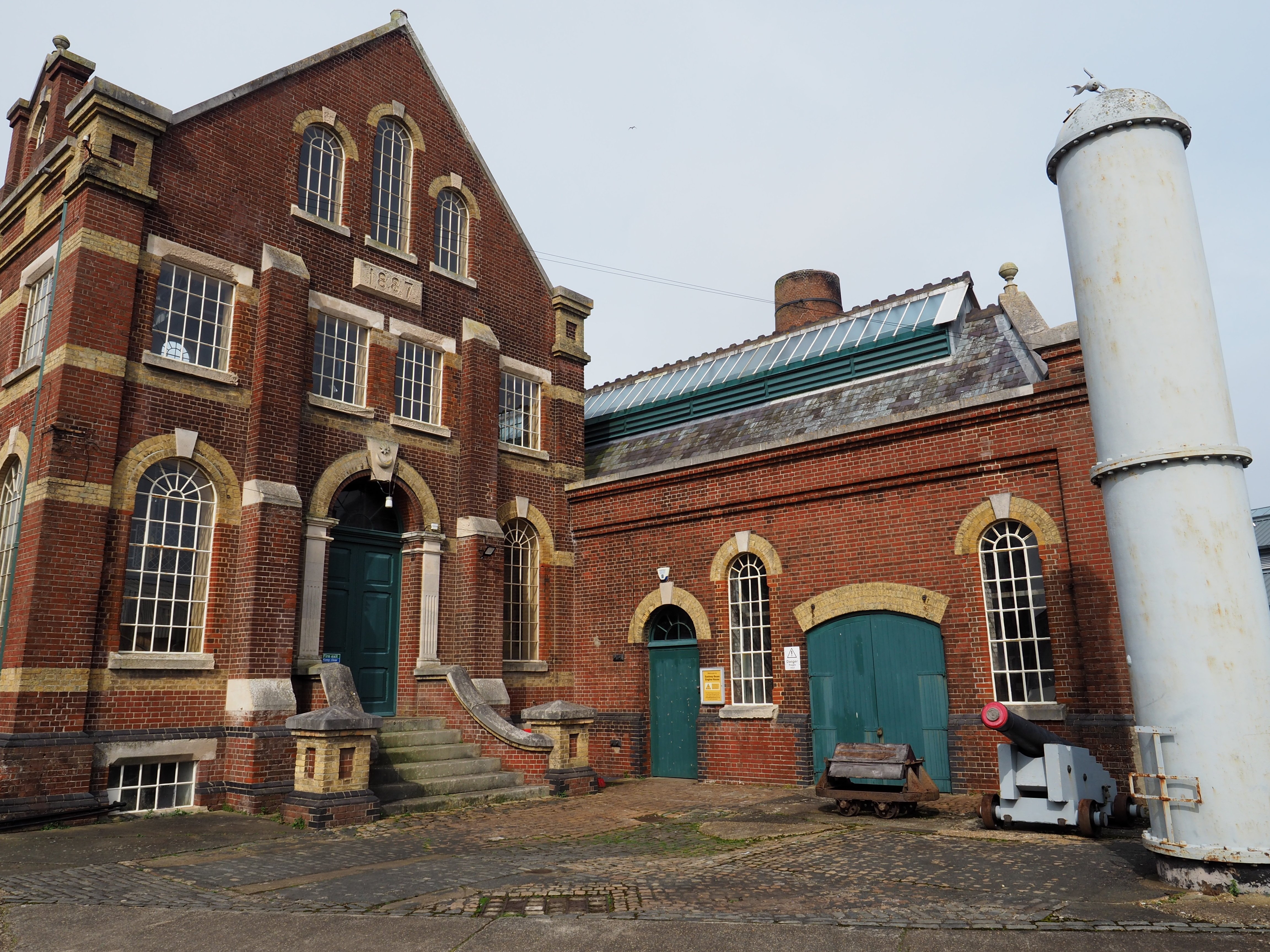
Combined with experience on projects such as Eastney Beam Engine House and Portsmouth Guildhall, these accreditations show a consistent track record: working safely in occupied buildings, coordinating with multiple stakeholders and completing upgrades while public access, events and worship continue.
Proactive upkeep to protect people and irreplaceable structures
Once a heritage building has been upgraded, the work is only half done. Life safety systems and electrical infrastructure protect people and fabric only if they are maintained, tested and reviewed as patterns of use change over time.
Fire risk assessors and conservation officers increasingly expect formal maintenance regimes: periodic inspection, documented test results and clear processes for addressing defects. Regular EICRs, scheduled fire alarm testing and emergency lighting duration tests create a feedback loop that keeps the building’s risk profile under review.
Given that the majority of serious heritage fires are linked to preventable issues, a proactive approach is usually more cost‑effective than reactive repairs. In practice, that might mean phasing out ageing temporary supplies used for events, replacing legacy heaters with safer alternatives, or introducing monitoring technologies that flag faults before they become critical.
For custodians of castles, churches, museums and civic landmarks in Hampshire, the goal is the same: protect visitors and staff today while safeguarding structures that have stood for centuries. Thoughtful, accredited electrical and fire safety work—delivered with a light visual touch—plays a vital role in ensuring these buildings can welcome future generations.
(Images of recent heritage projects, including Southsea Castle, Portchester Castle and local churches, should accompany this article where available to illustrate sympathetic containment, discreet detector placement and upgraded lighting in context.)